Self-Checking & Partner-Checking Worksheets: A Smarter Way to Save Time (and Your Sanity)
Grading doesn’t just take time-it drains energy.
If you’ve ever looked at a stack of practice worksheets and wondered, “is there a better way?”, the answer is yes-and it starts with self-checking and partner-checking worksheets.
These aren’t just time savers. When designed intentionally, they provide instant feedback, increase student ownership, and dramatically reduce the need for teacher grading. All without lowering expectations.
Let’s break down how these worksheets work and why their answer structure makes them so effective.
What makes Self-Checking Worksheets so Powerful?
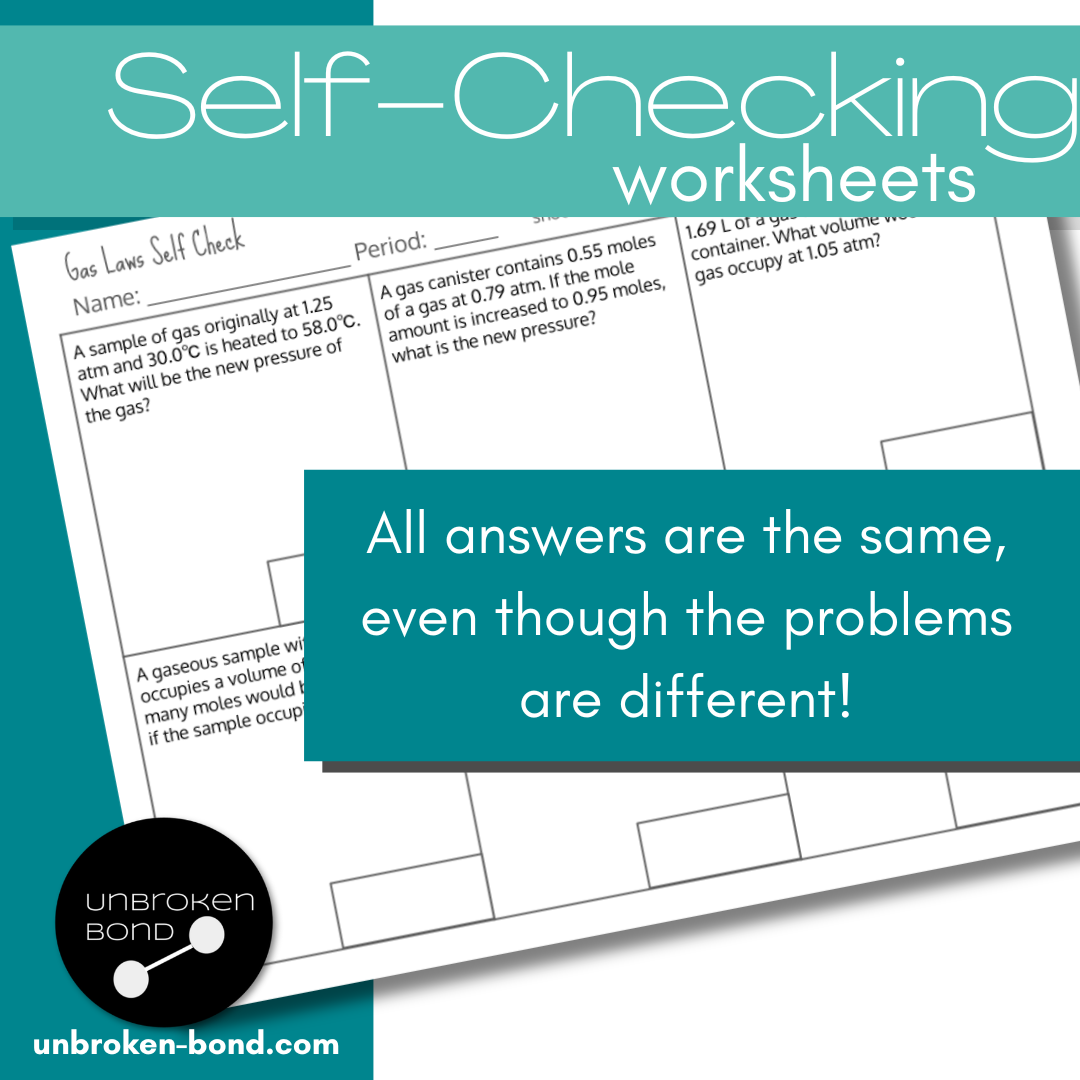
Traditional worksheets hide feedback until after grading. Self-checking worksheets flip that model.
🔑The Key Design Feature: Once Correct Answer
On a self-checking worksheet, every question has the same final answer.
That means:
If all of a student’s answers match they know immediately that they’re correct.
If one answer doesn’t match, they instantly know which problem they need to revisit.
There’s no guessing. No waiting. No practicing mistakes.
This structure turns worksheets into built-in formative assessment tools that give students immediate feedback while they are still considering the topic at hand.
Why Self-Checking Worksheets Reduce Grading Time
Because students confirm if their answer is correct as they go:
✔️You don’t need to grade every problem
✔️You can spot-check or grade for completion
✔️Students ask for help when something doesn’t make sense
Instead of grading paper, you’re circulating, coaching and addressing misconceptions or practice mistakes in real time.
That’s a much better use of teacher energy.
How Partner-Checking Worksheets Work (and Why They’re Smart)
Partner-checking worksheets take the same concept and add collaboration.
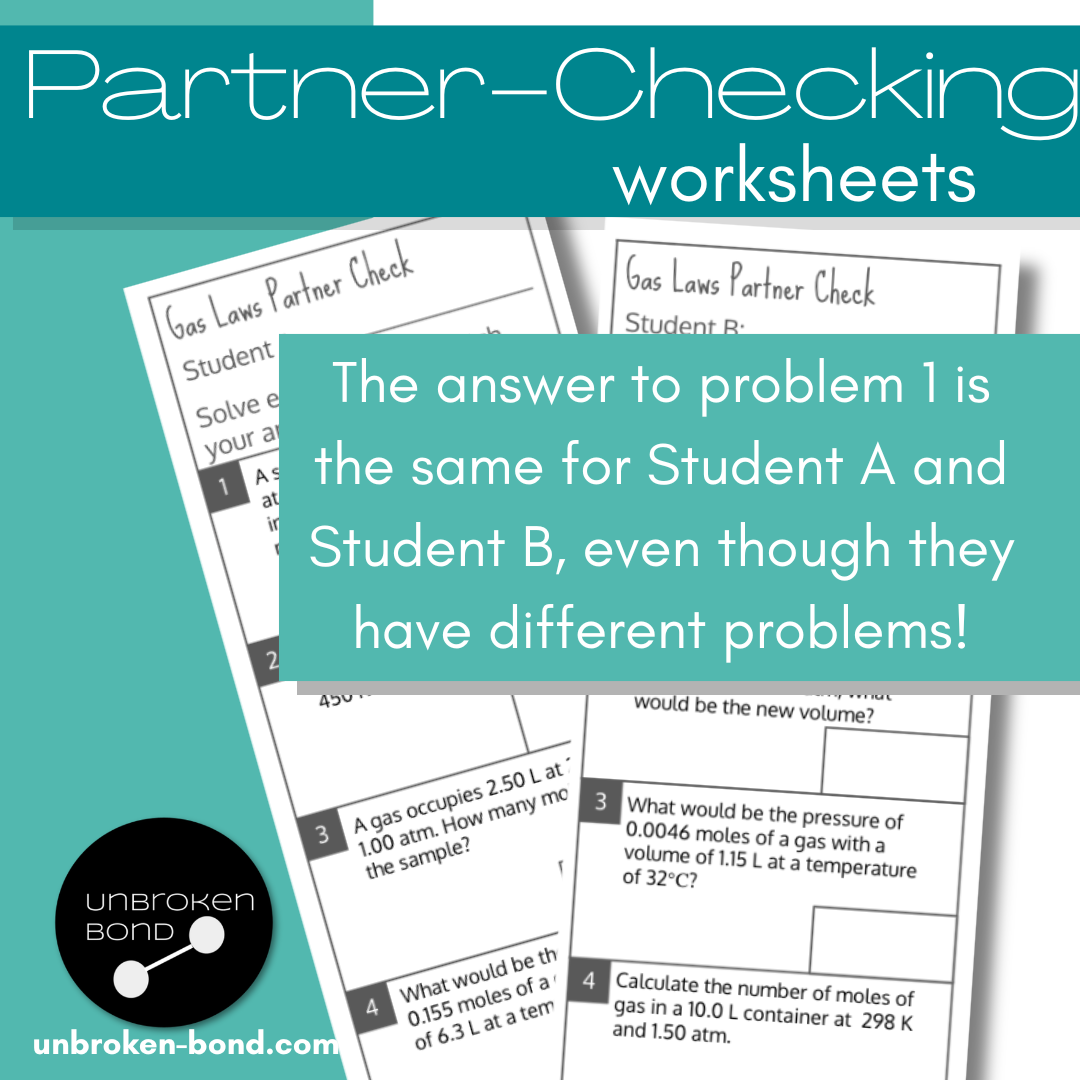
🔑The Key Design Feature: Matching Answers by Question Number
On partner-checking worksheets:
Everyone’s problem #1 has the same answer, even though the problems themselves are different
Everyone’s problem #2 has the same answer, and so on
Students can compare answers with a partner and immediately see:
“We matched-great!”
“We didn’t match-let’s figure out why.”
This structure keeps students accountable without copying, because the problems are different but the answers align,
Why Partner-Checking Worksheets Improve Learning
Partner checking naturally leads to:
Academic conversations
Explanation of reasoning
Error analysis
Confidence building
Instead of asking “Is this right?”, students ask “why did you get that answer?” or “where did our work go differently?”
That’s learning-without the teacher needing to referee every step.
The Mental Load for Teachers
Self- and partner-checking worksheets help teachers:
Reduce repetitive grading
Eliminate constant answer checking
Avoid re-teaching simple mistakes
Preserve energy for higher-impact instruction
And honestly? It protects your sanity. When grading doesn’t follow you home, teaching is more sustainable.
When Self- and Partner-Checking Worksheets Work Best
These worksheets are perfect for:
Daily practice
Review days
Stations
Sub plans
Warm-ups or bell ringers
Early finishers
They’re especially powerful in classes like chemistry, where students need repetition-but teachers don’t need 30 copies of the same solution.
Ready Made Self- and Partner-Checking Worksheets
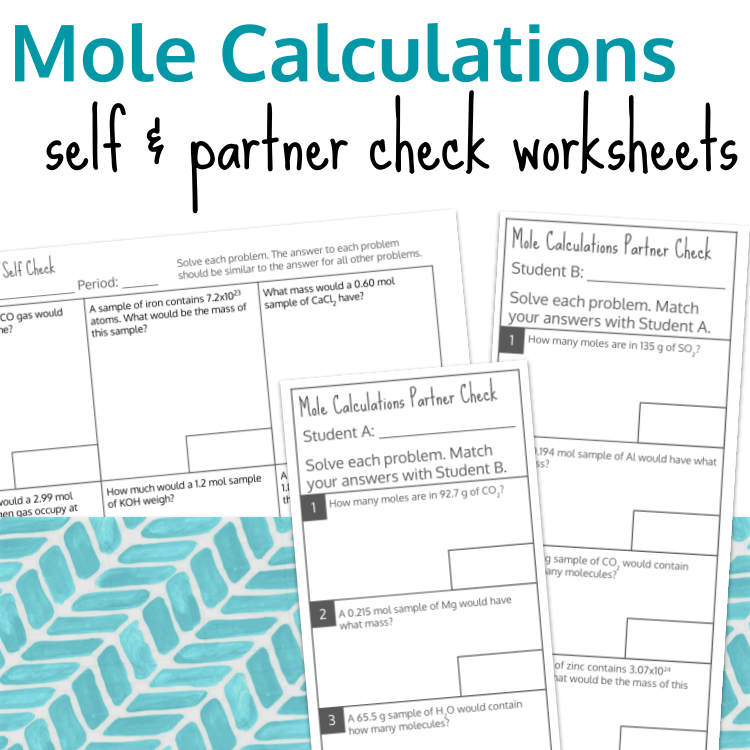
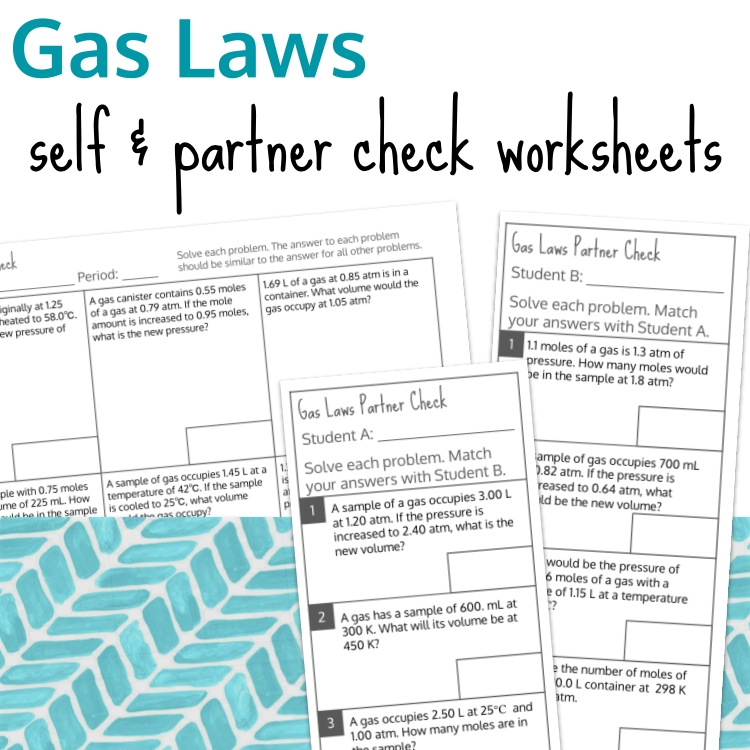
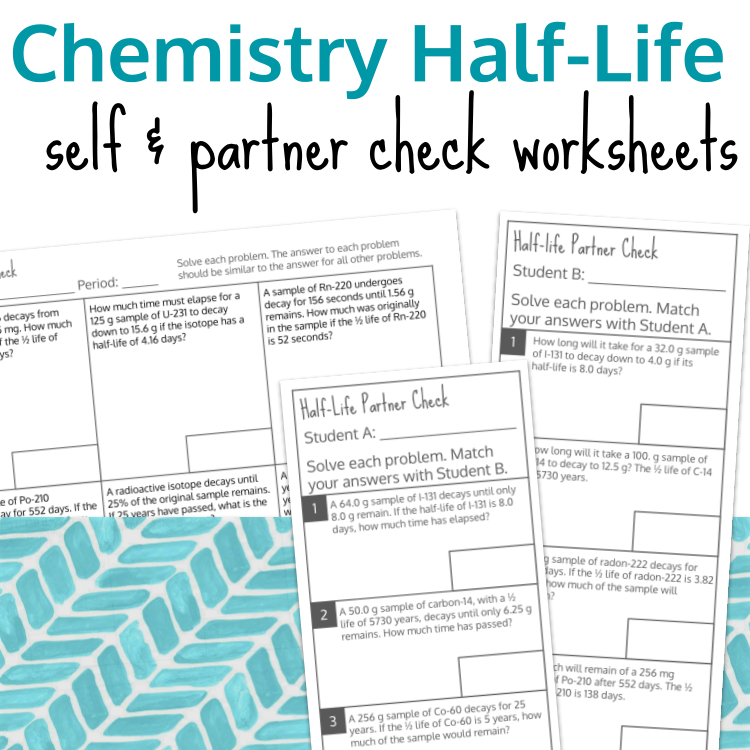
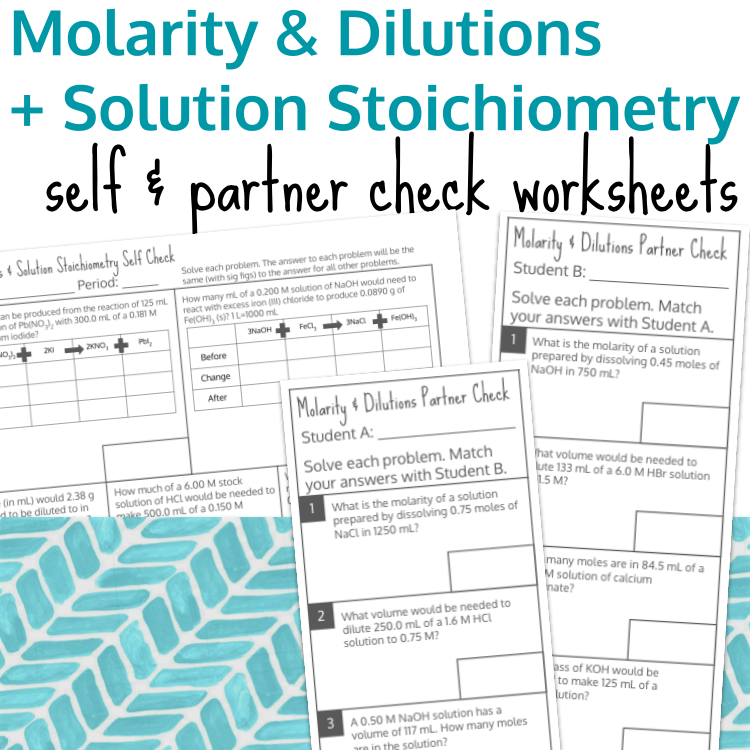
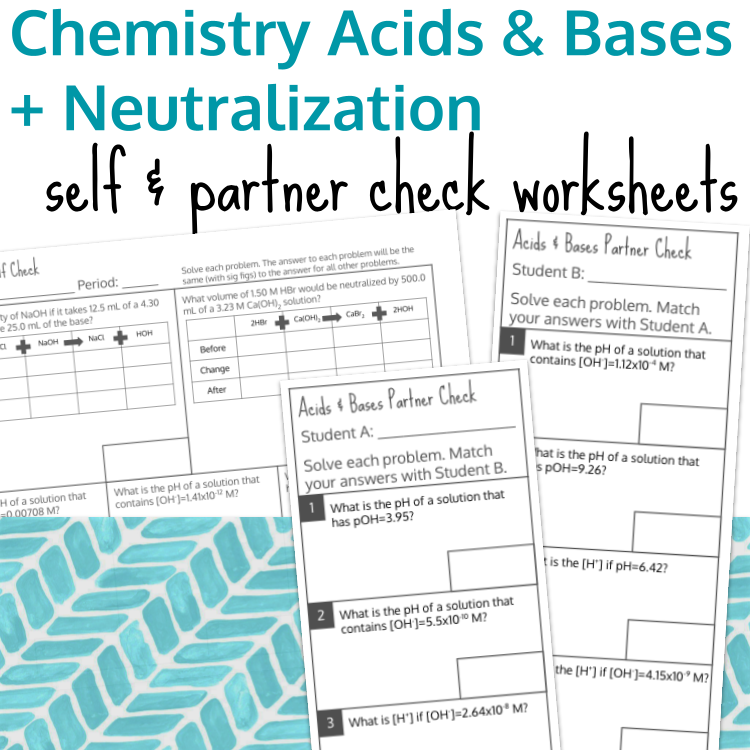
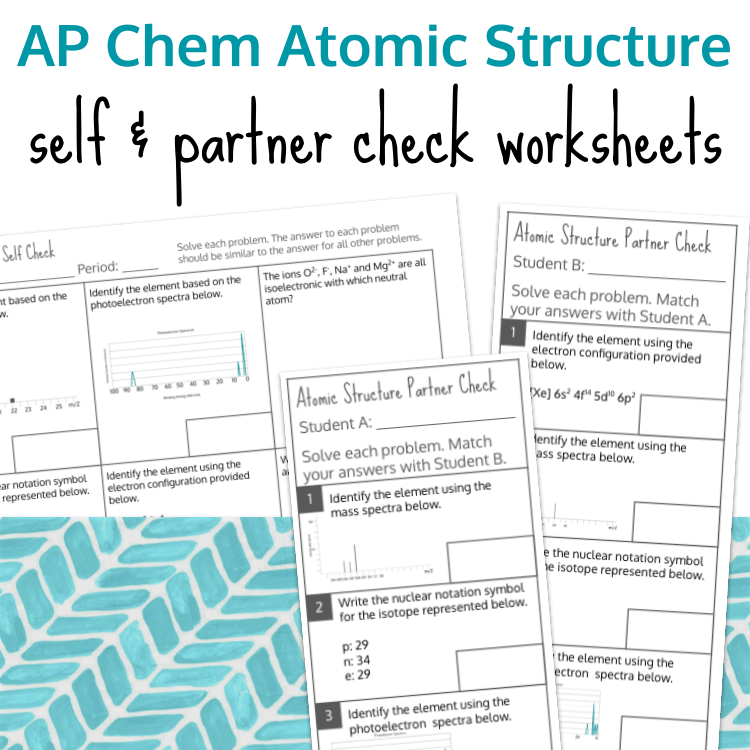
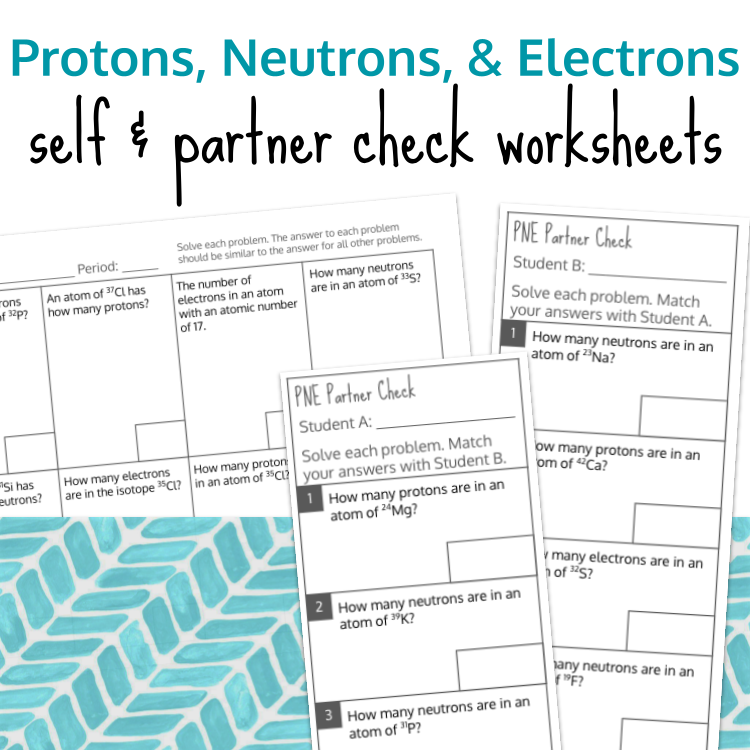
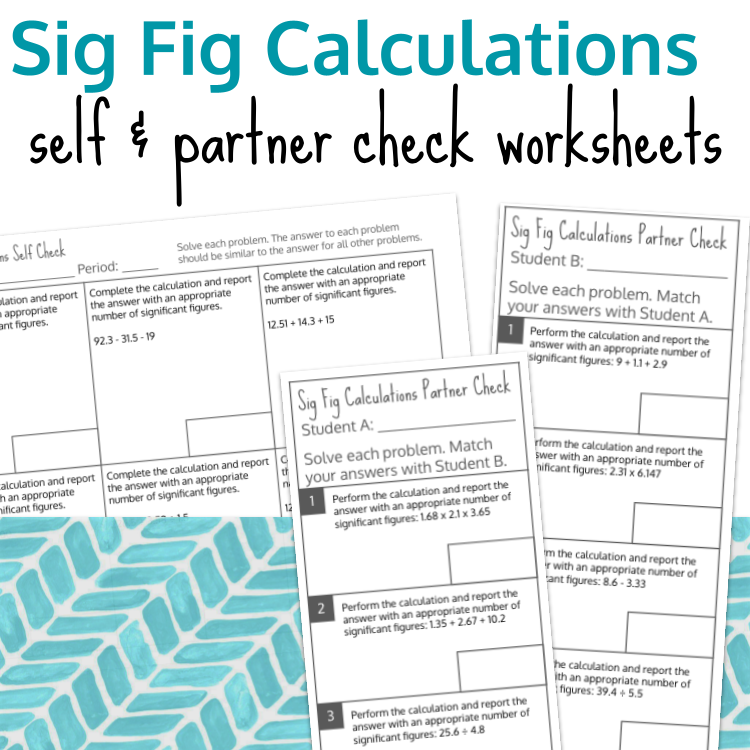
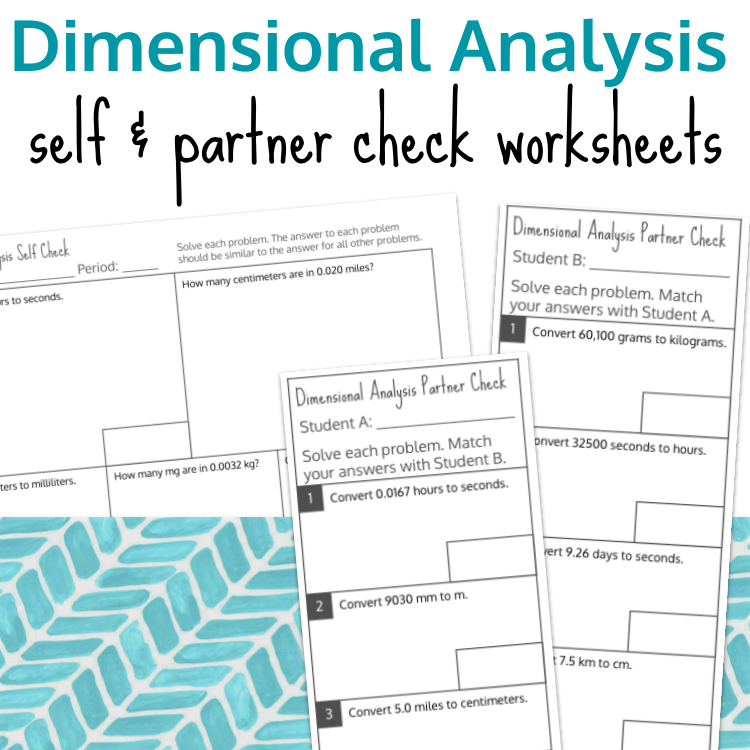
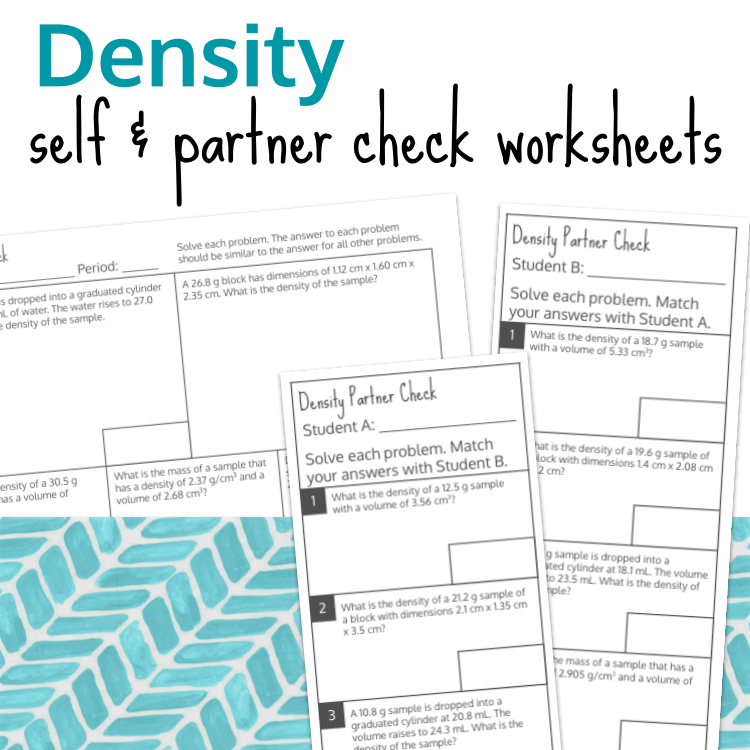
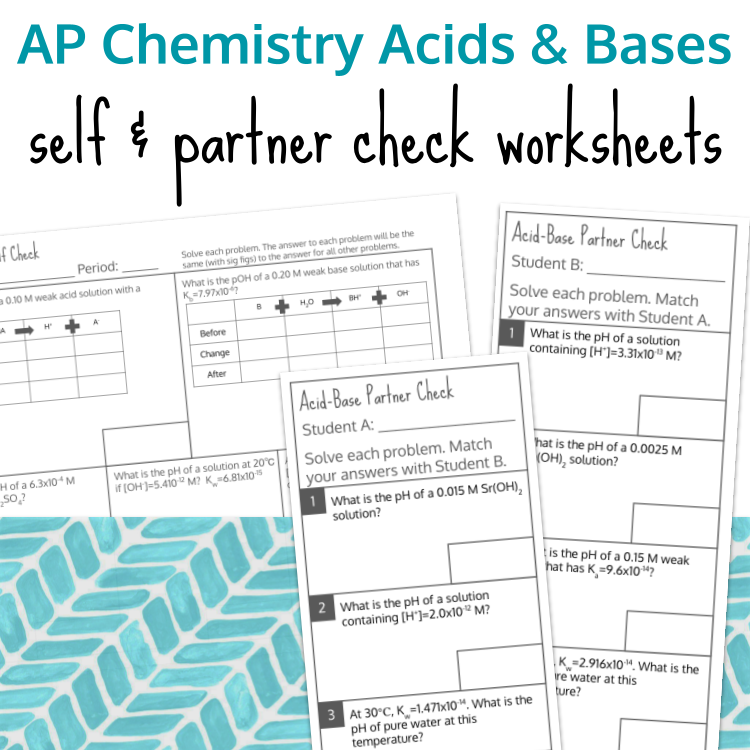
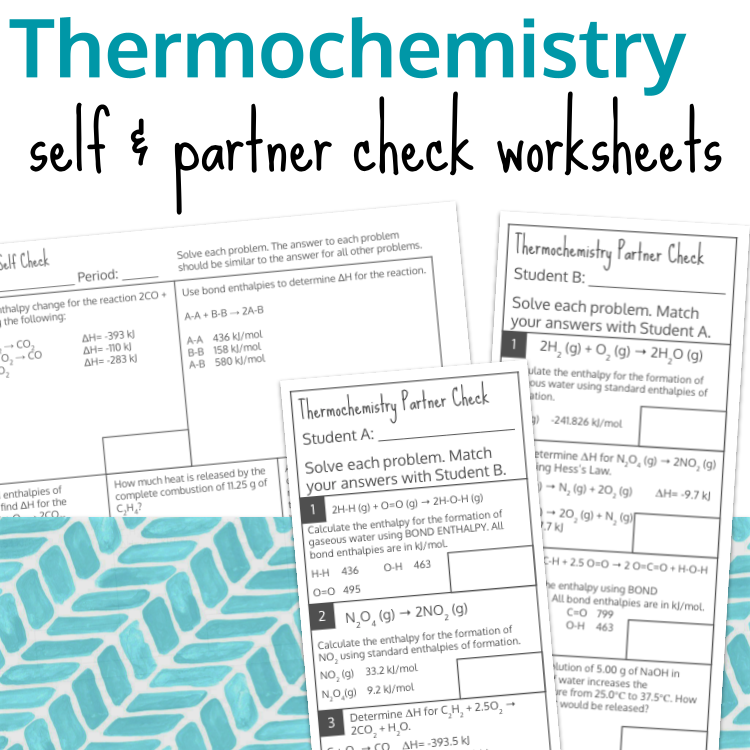
If you’re looking for ready-to-use self-checking and partner-checking worksheets designed with intentional answer structures, you can find them here in my Teacher Pay Teachers store, or click on an image below.


This Is Just the Beginning…
This post kicks off a multi-week blog series exploring:
Different types of self-checking activities
Partner-checking strategies that actually work
Low-prep ways to give instant feedback
Classroom systems that reduce grading without sacrificing rigor
If saving time, energy, and sanity sounds good to you — stay tuned.