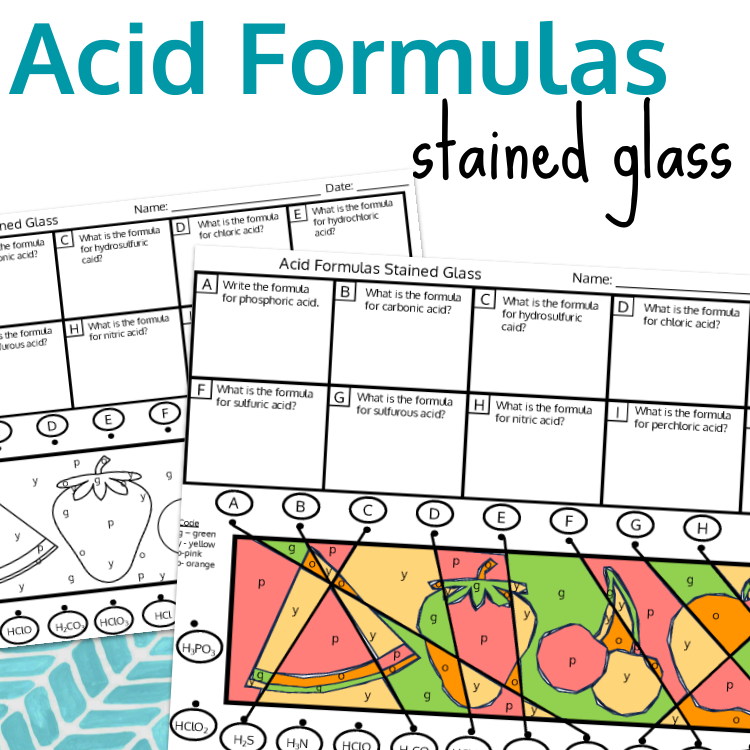
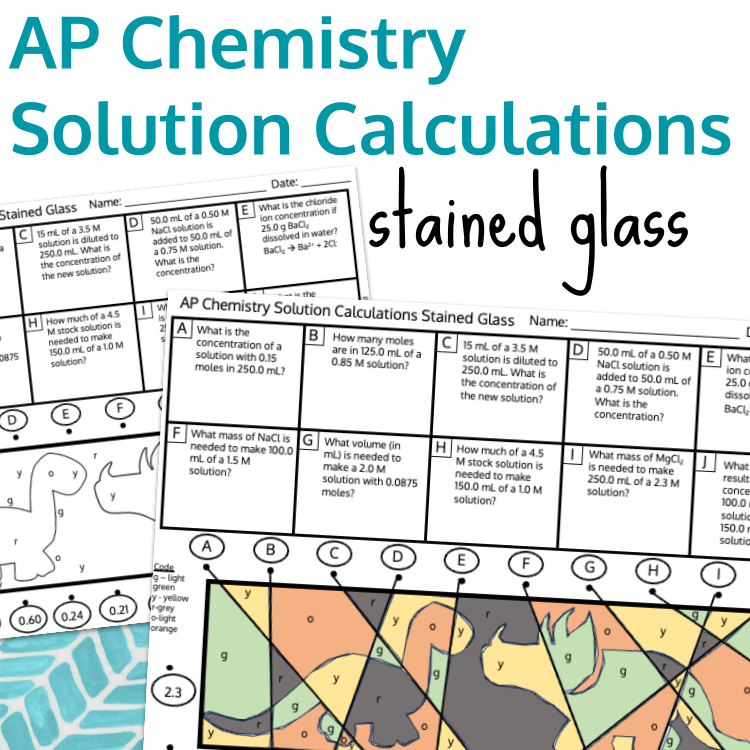
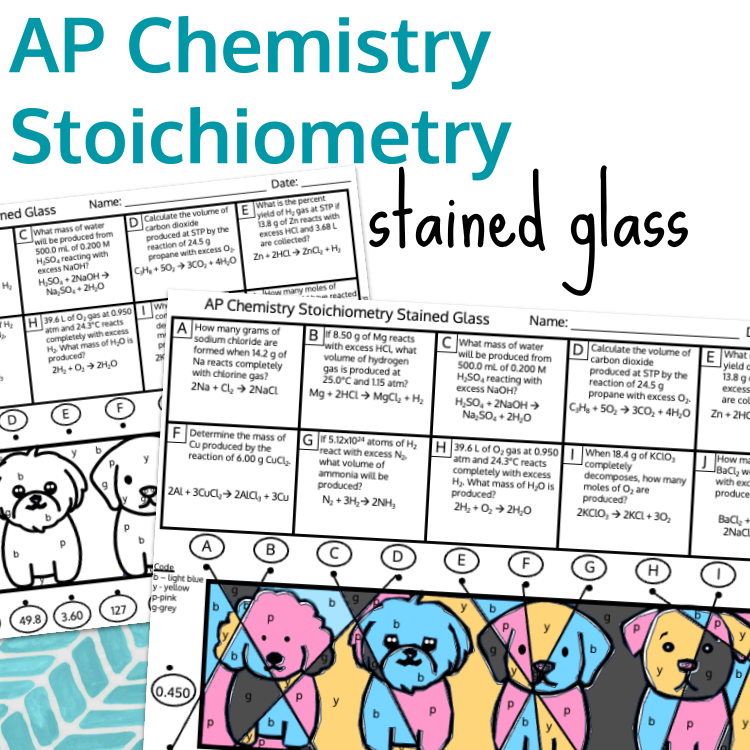
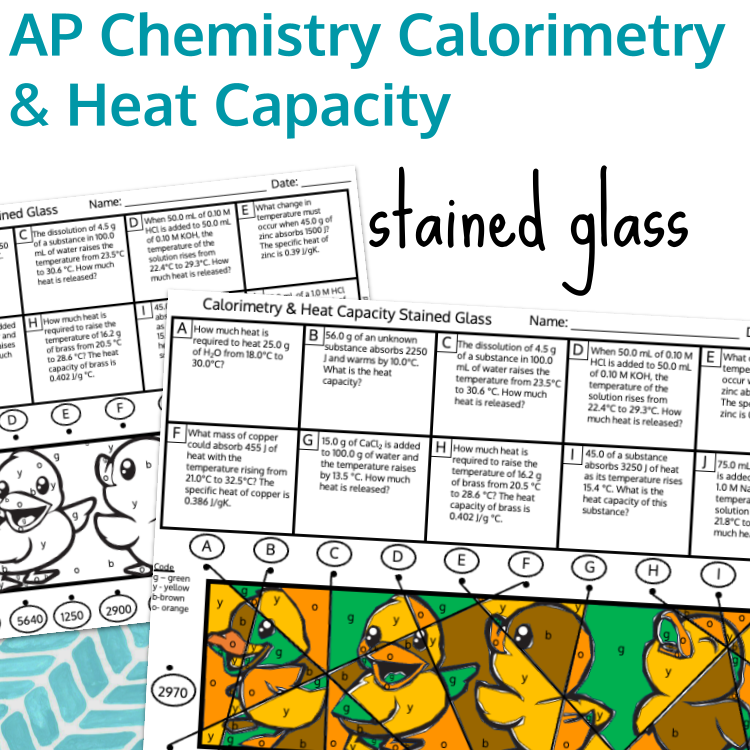
Color Reveal and Stained Glass Activities: Visual Self-Checking for Chemistry Classrooms
Not all self-checking activities need answer keys, QR codes, or digital tools.
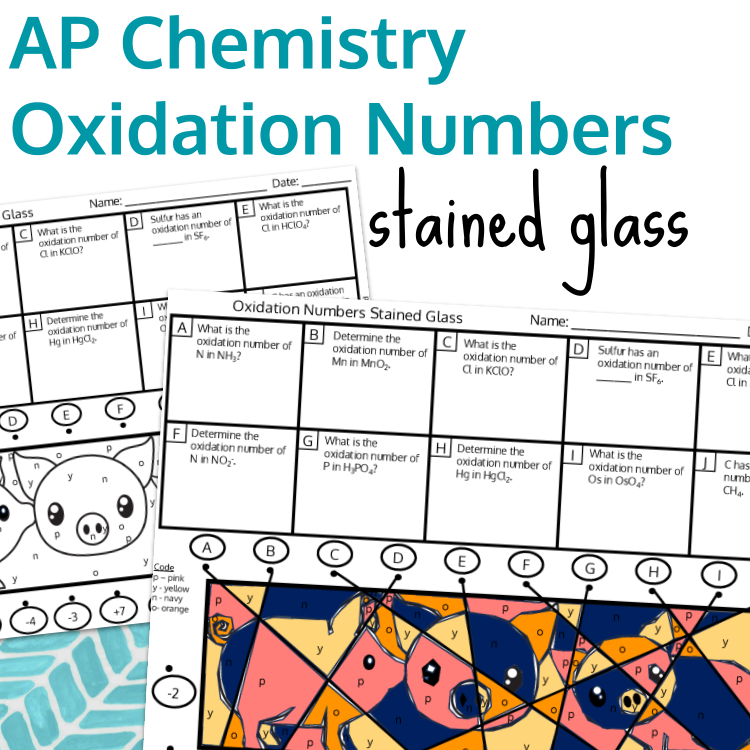
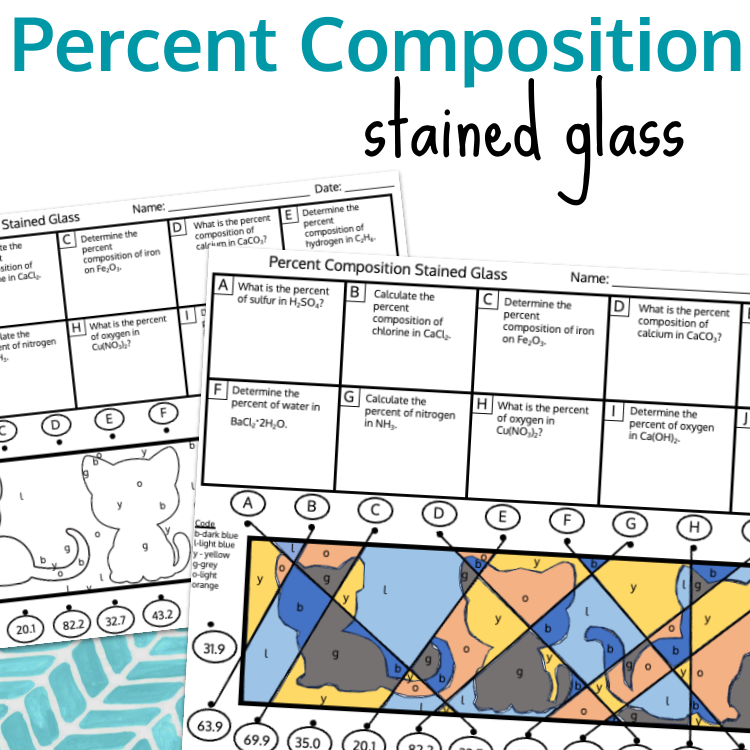
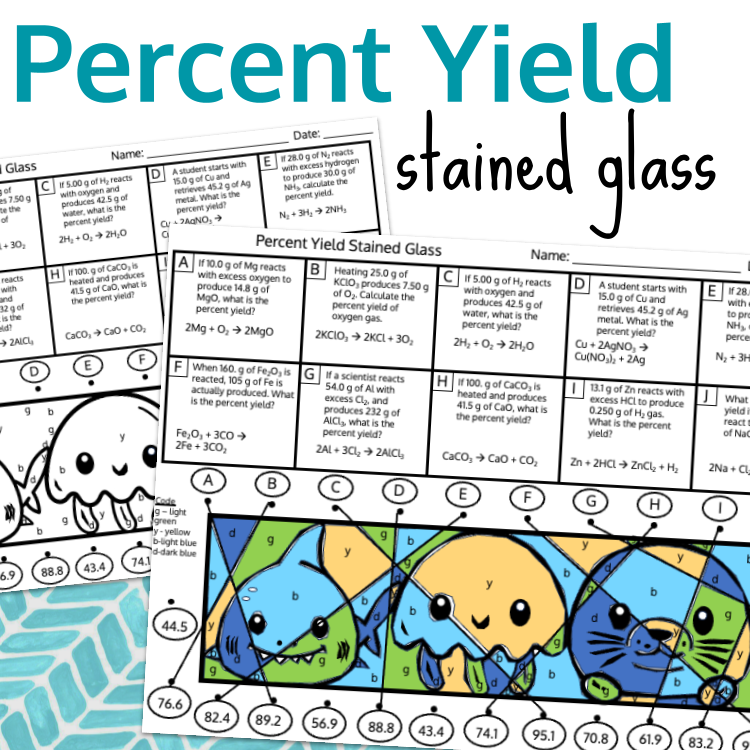
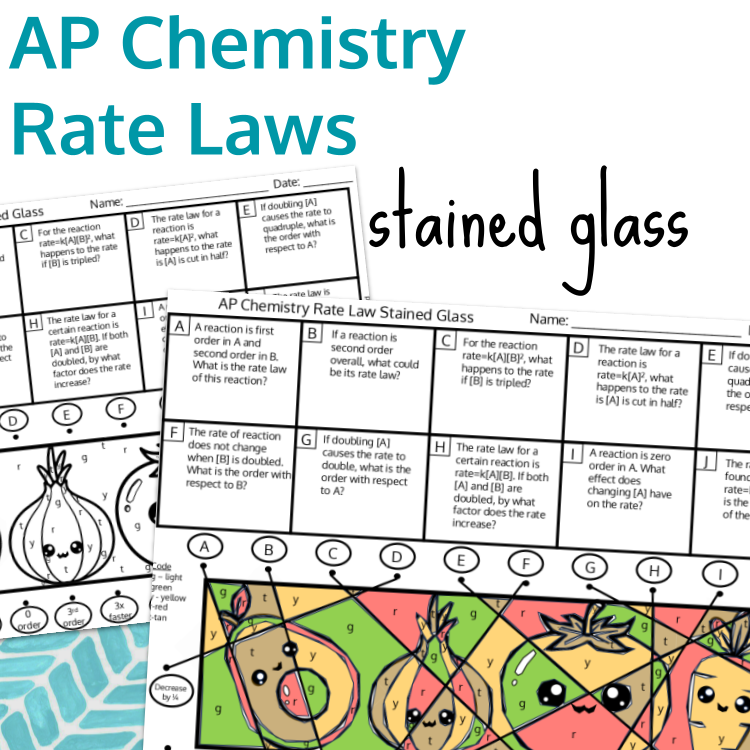
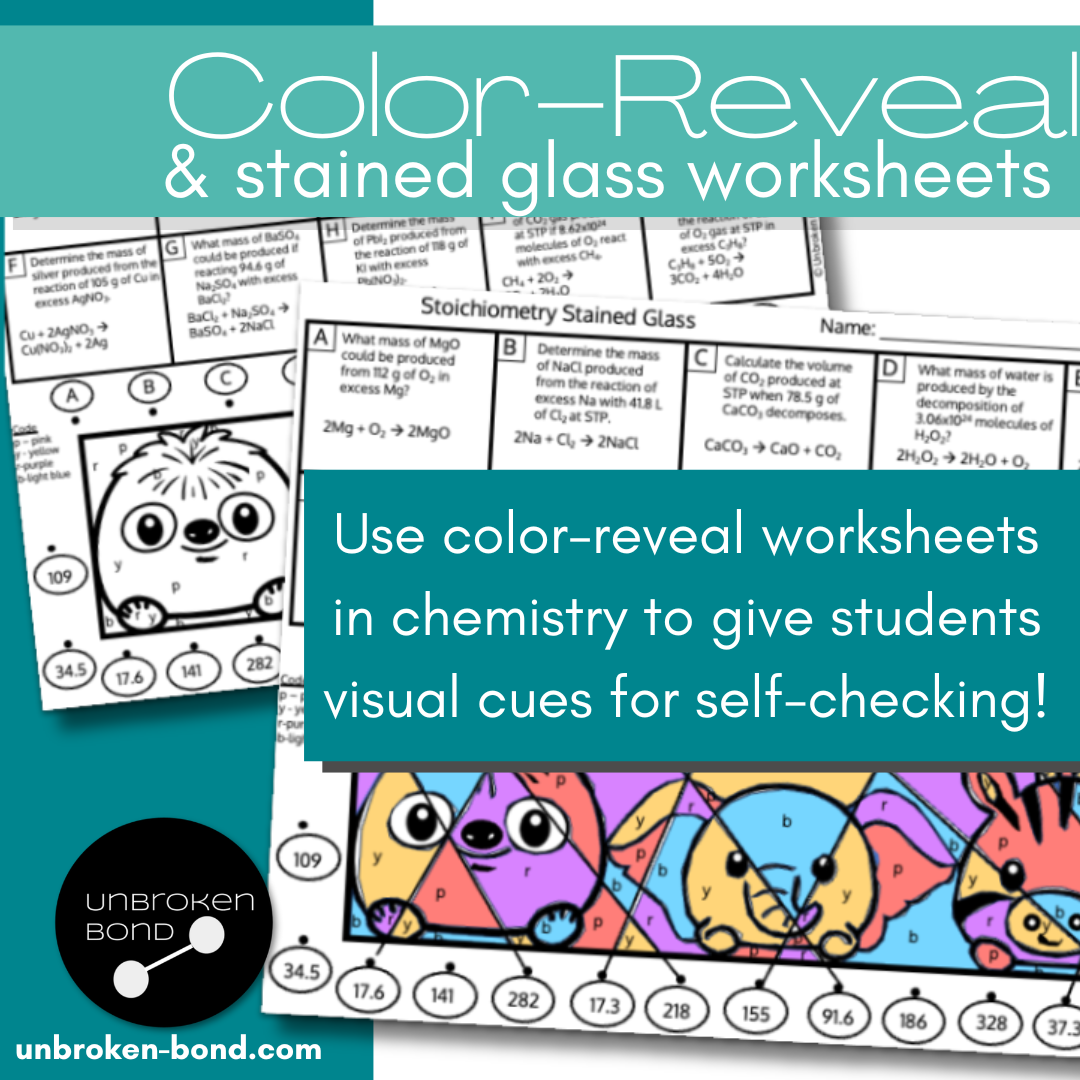
Sometimes the visual itself does the checking. That’s where color-reveal and stained glass activities come in-one of my favorite ways to combine immediate feedback, student engagement and low teacher workload.
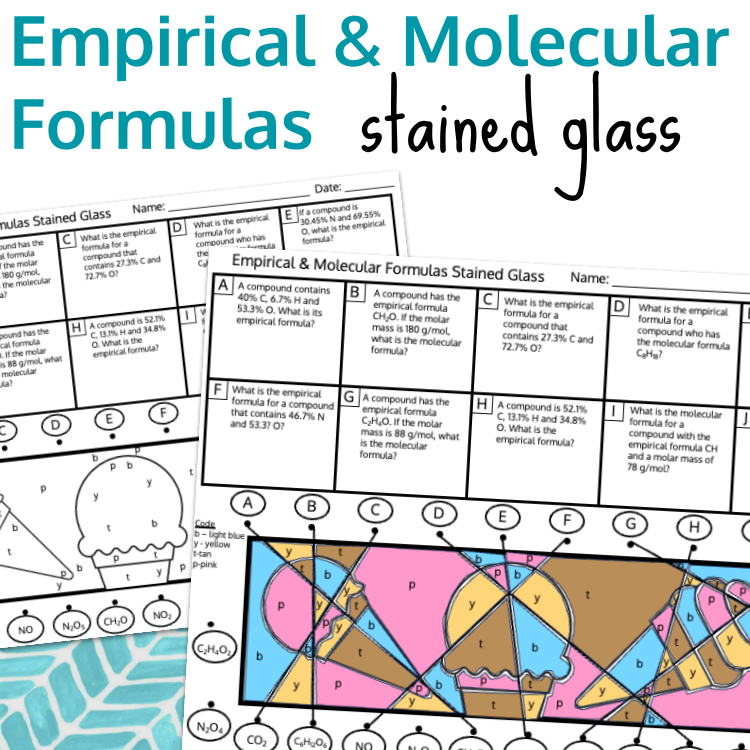
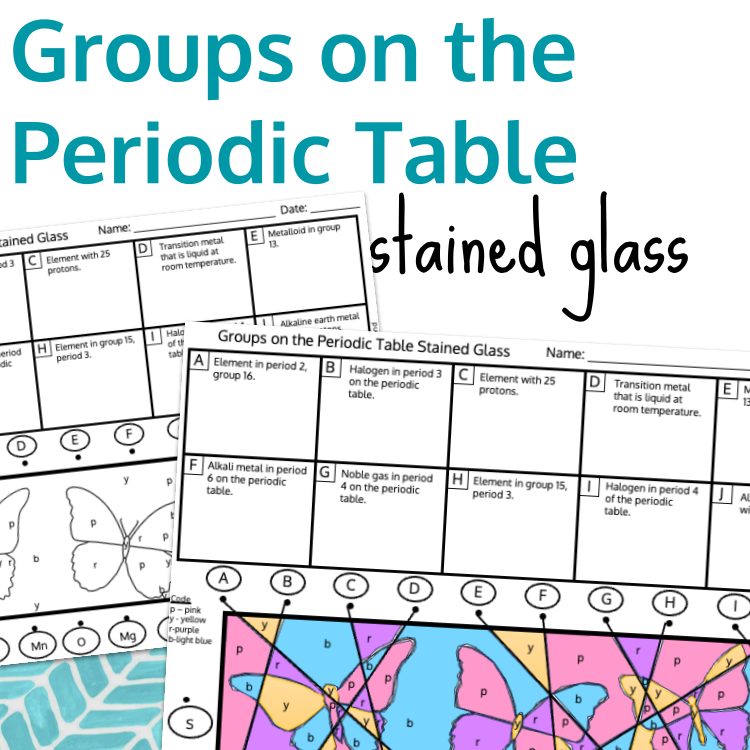
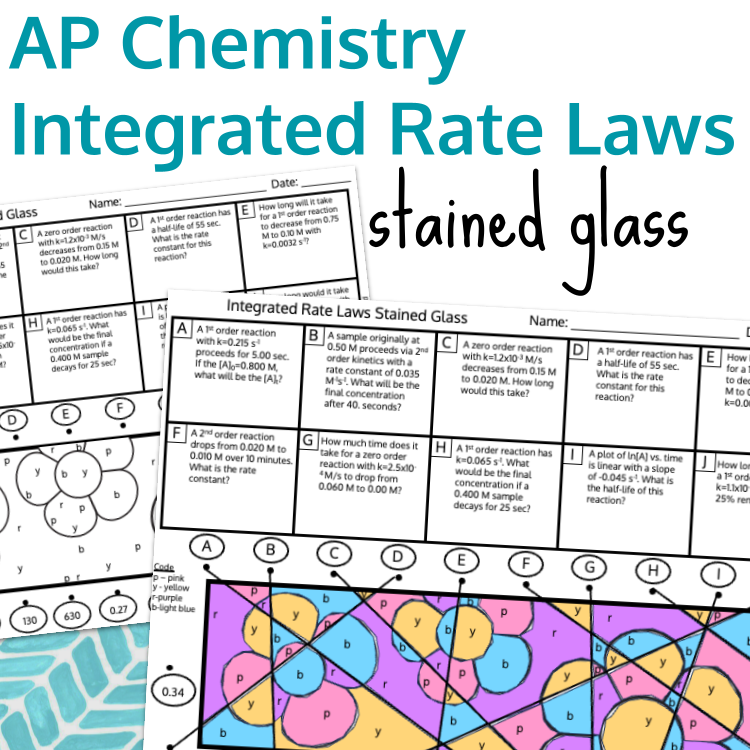
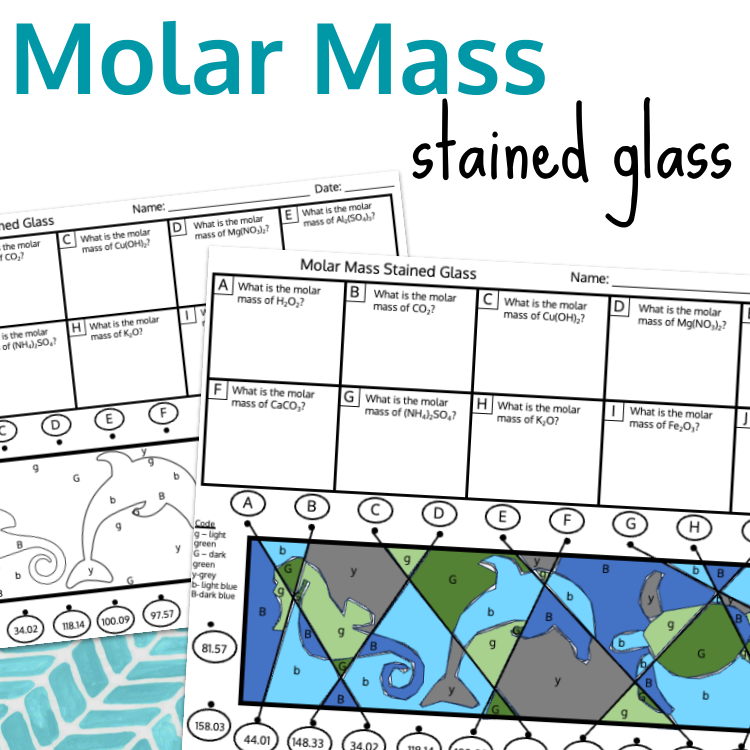
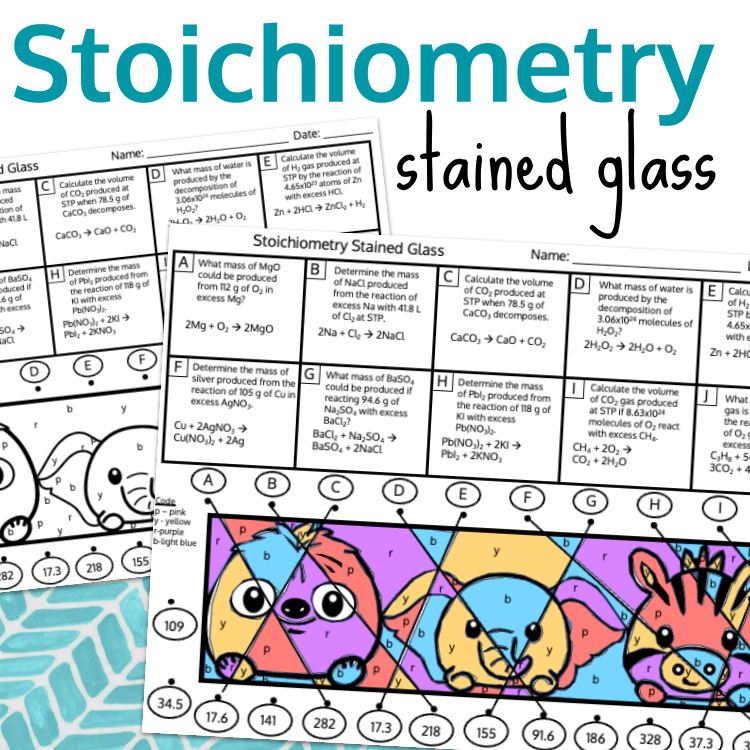
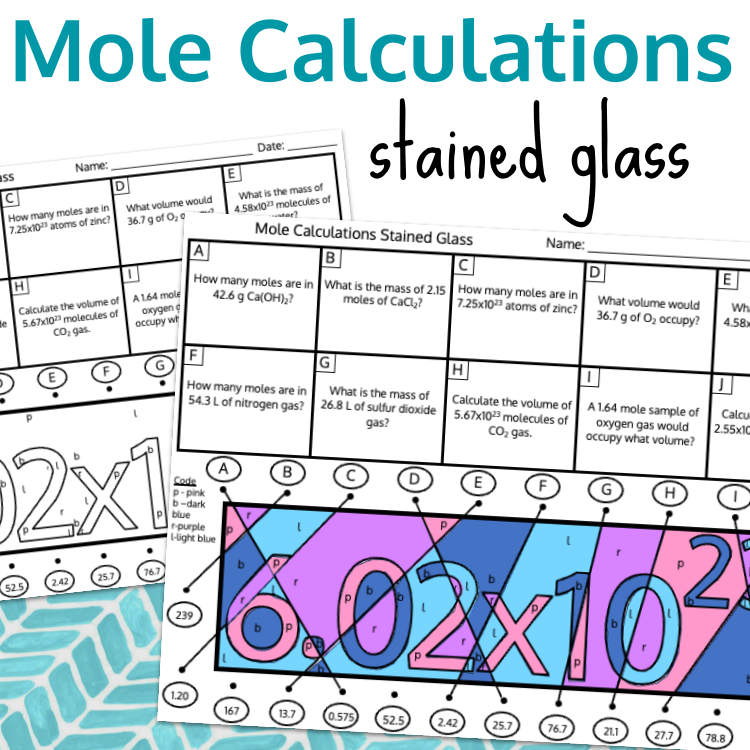
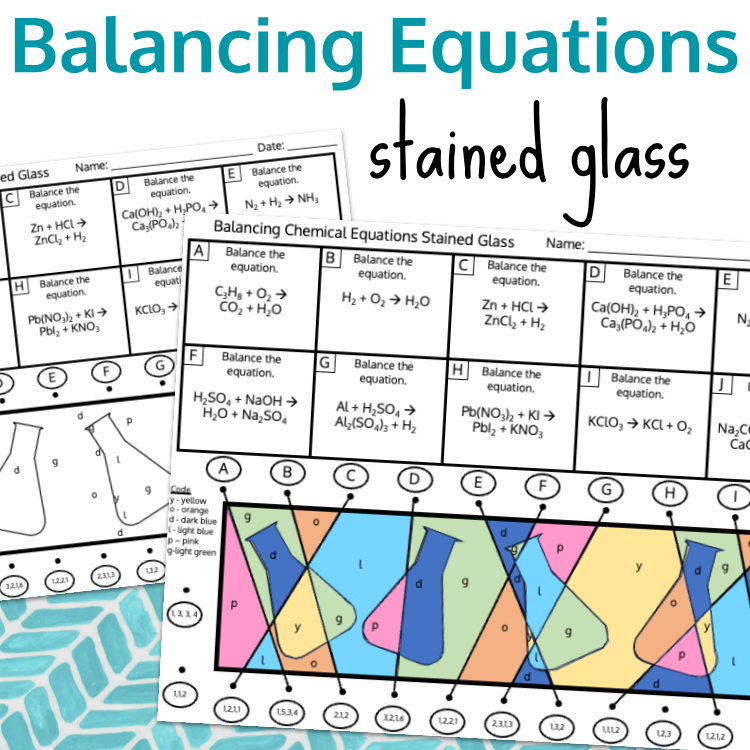
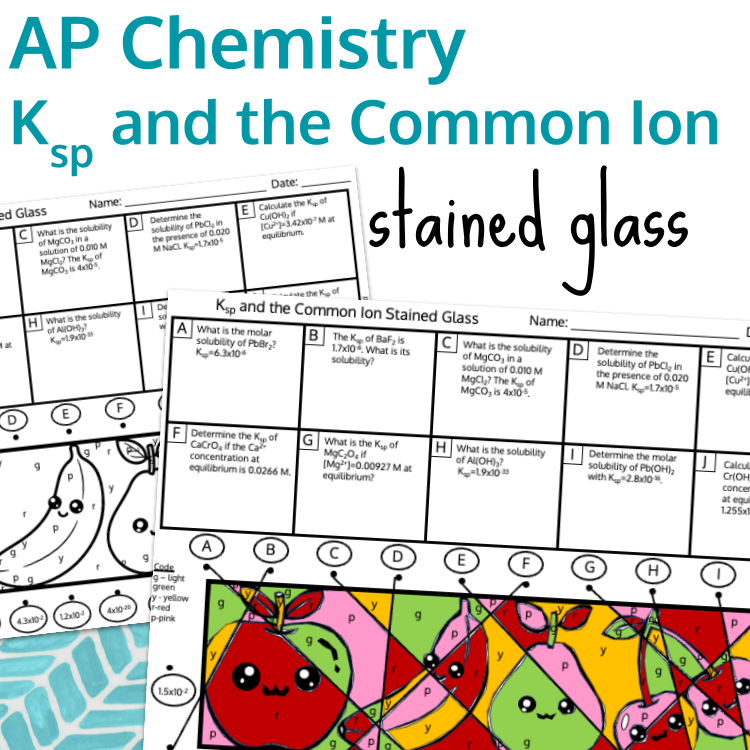
What is a color-reveal or stained glass activity?
In a color-reveal activity, each correct answer corresponds to:
a specific color
a section of a design
a piece of a larger image
As students work through the problems, the picture slowly comes together. When answers are correct, the final image looks intentional and complete. When answers are incorrect, it…doesn’t.
That visual mismatch becomes the self-check.
Why visual self-checking works so well.
Chemistry students regularly ask “is this right?”
Color-reveal activities quietly flip that question into “does this look right?”
Here’s why that matters:
Immediate feedback without raising a hand.
Error detection without teacher confirmation.
High engagement, even for routine practice.
Faster grading or no grading at all.
Students don’t need you to tell them something’s wrong. The image does that for them.
Why this doesn’t feel “elementary” to students.
This is a common concern, especially in secondary classrooms. But color-reveal and stained-glass worksheets
feel structured, even if they are cutesy
look intentional and are content-driven
appeal to students who enjoy visuals
work well as an alternative to digital-based pixel art
Chemistry topics that work best.
Color-reveal activities are ideal for topics where answers are discrete (unique) and precision matters.
Some great fits would include:
ionic and covalent formulas
molar mass
percent composition
empirical and molecular formulas
stoichiometry
rate laws and gas law applications
and many more!
The clearer the final answer, the stronger the self-check.
How students use the visual to self-correct.
One of the biggest advantages of this strategy is what happens after a mistake.
Students may:
notice a section that doesn’t match
go back to a specific problem
rework a problem independently or ask for immediate assistance
or fix the visual themselves.
Instead of asking for an answer, they have the opportunity to retrace their thinking, which is exactly what we want.
Easy ways to Use Color-Reveals in Class.
Color-reveal activities are incredibly flexible. They can be used for independent practice, station work, early finisher tasks, sub plans, or review before assessments. They can serve as low-stress formative checks during your unit.
From a teacher standpoint, stained glass activities require minimal explanation, lower grading time, and can be used in a variety of situation. Once students understand the format, they can run with it. Color-reveal activities can become a powerful tool in your toolkit. You can even pair them with other self-checking activities, such as self-check and partner-check worksheets, problem paths, and games and puzzles. These all encourage student independence without teacher validation for every step of the process or worksheet.
You can get a stained glass resource for free!
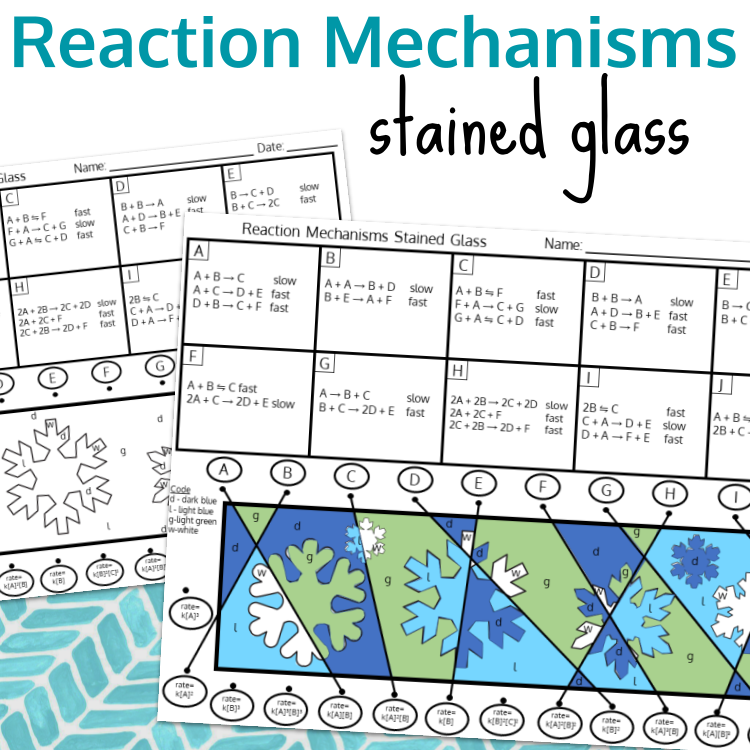
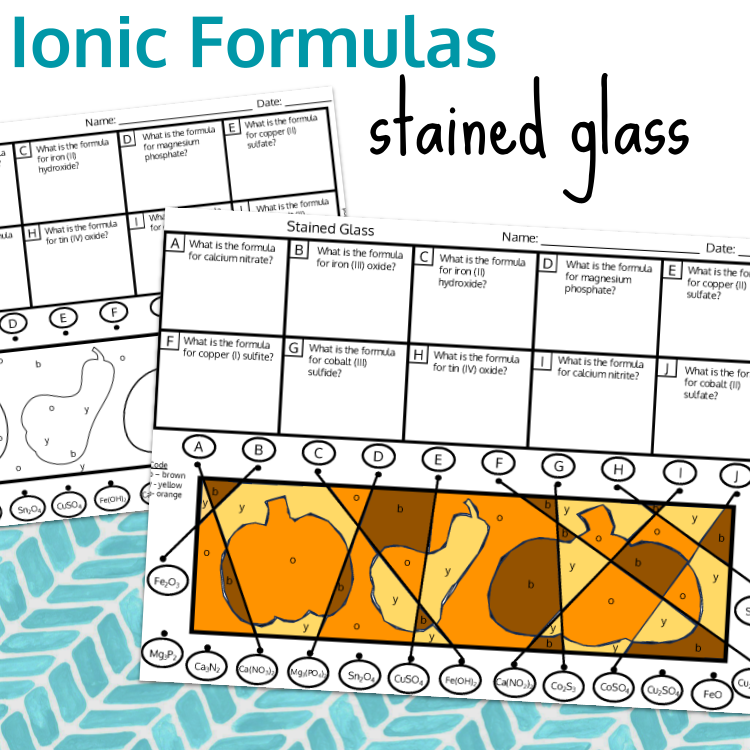
If you want to try out a stained glass resource in your classroom, you can get one for free! I’ve got a free ionic formula stained glass for chemistry and a free reaction mechanisms stained glass for AP Chemistry. Click on the links or on the image below to get your freebie today!
Coming up next in the self-check series…
Next up, I’ll be diving into digital self-checking strategies for instant feedback.
If your goal is a classroom that runs more independently (and gives you your time back), you’re in the right place. Let me know if you use color-reveal activities in your classroom. Thanks so much for reading. Happy teaching!